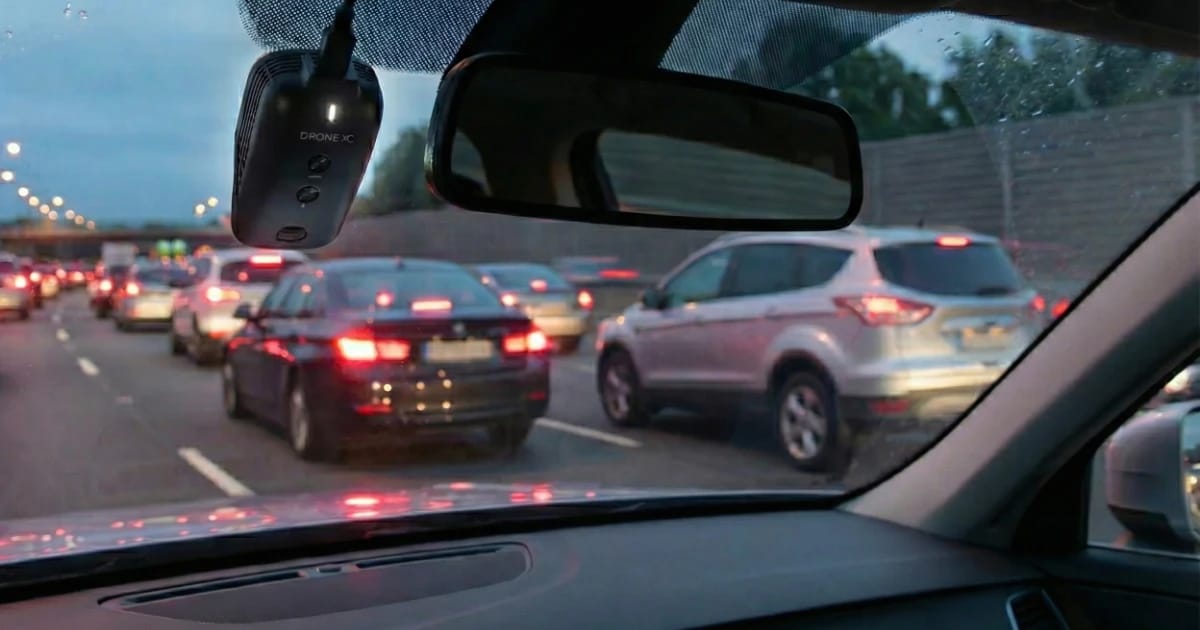
A properly configured dash camera acts like an unbiased witness that quietly records what really happens before, during, and after a collision. When something goes wrong, that video can help establish the facts, protect you from false claims, and speed up the insurance process.
Most accidents unfold in just a few seconds. You may be watching traffic ahead while someone merges from the side, or you might be focused on a light that is about to change. A dash camera does not get distracted, and it does not forget. It simply records. When you review the footage later, you can see details you never noticed in the moment.
Why Human Memory Is a Poor Witness After a Crash
Human memory is a poor witness after a crash because stress, surprise, and limited visibility make it hard to recall the precise details that matter most. Even if you are an attentive driver, a collision is a jarring experience. Adrenaline spikes, your attention narrows, and your brain focuses on immediate safety rather than perfect record-keeping. You might remember the other car “coming out of nowhere,” but not exactly when they changed lanes or whether their turn signal was on.
Other drivers and bystanders have their own perspectives and blind spots. They may see only part of the event or misinterpret what happened. When everyone is convinced that their memory is correct, you end up with conflicting stories that are hard to untangle.
A dash camera fills in those gaps. It records the traffic around you, not just what you happened to notice through the windshield. Many models also capture a few seconds before and after an impact, which can be critical in understanding how an incident developed.
Establishing Fault With Clear Video Evidence
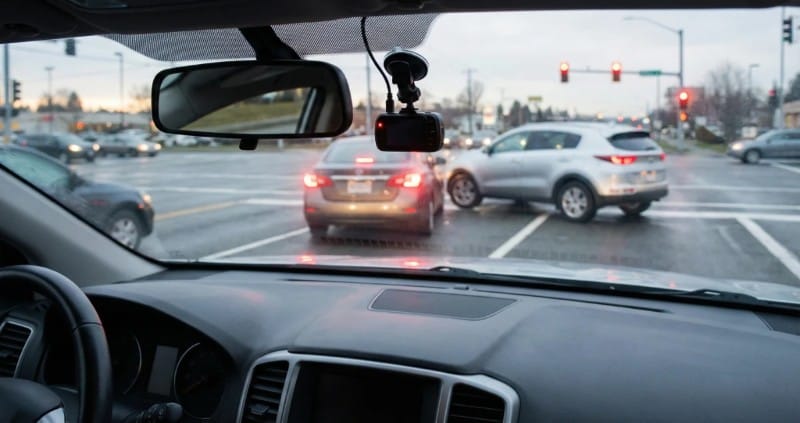
Dash camera footage makes it easier to determine fault because it shows the sequence of events instead of relying on competing stories. Video can reveal who had the green light or stop sign in view, whether someone changed lanes without signaling, how closely vehicles were following, and when brakes were applied. You can often see if a driver drifted out of their lane, crossed a solid line, or was already in the intersection when another vehicle entered.
For example, in a rear-end collision, the assumption is often that the trailing driver is at fault. If your dash camera shows that the vehicle ahead swerved in front of you and then braked hard, the situation looks very different. At an intersection, video that shows the light phase and surrounding traffic can quickly settle an argument about who had the right of way.
Courts and insurance companies in many regions now recognize dash camera footage as useful supporting evidence. It does not replace a full investigation, but it often carries a lot of weight because it is objective and time stamped.
Protection Against Fraud and False Claims
A dash camera protects you from fraud and false claims by capturing what really occurred when someone tries to stage or exaggerate an incident. Fraud can take several forms. A driver might slam on the brakes to cause a rear-end collision. A pedestrian might claim they were struck when there was no contact. A light tap could suddenly become a claim for extensive damage or injury. Without video, these situations often become one driver’s word against another’s.
With a dash camera, you can show how fast vehicles were moving, where they were positioned, and whether there was any impact at all. The footage can show that you were already in your lane when someone merged into you, or that there was no physical contact despite a claim to the contrary. That evidence can discourage fraudulent claims and help your insurer close investigations more quickly and fairly.
Hit-and-Run, Uninsured Drivers, and Parking Lot Incidents
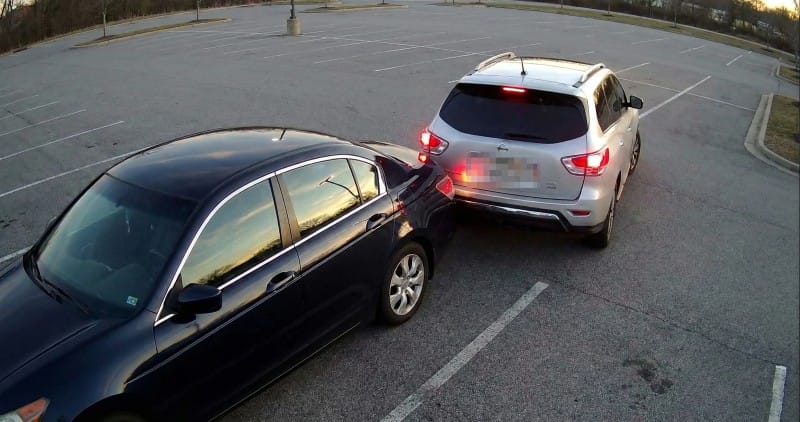
A dash camera with the right coverage and features can capture critical details even if the other driver leaves the scene. On the road, a forward camera can record a vehicle that hits you and then speeds away. If you have a rear camera as well, you gain a much better chance of capturing a readable license plate or a clear view of the vehicle’s make, model, and color. That information can be extremely valuable if the driver is uninsured or chooses not to stop.
While your vehicle is parked, cameras that support parking mode can monitor for motion or impact. When the system detects movement, it wakes up and records a short clip. That can capture door dings in tight parking lots, backing accidents where the other driver leaves without a note, or vandalism and attempted theft.
Features That Matter Most When Your Dash Cam Is “On the Stand”
The features that matter most for a dash camera acting as your best witness are image clarity, viewing coverage, and reliable data logging, not gimmicks or the rock-bottom price. For image quality and coverage, pay particular attention to:
- Resolution that makes license plates and signs readable in typical conditions
- A frame rate that keeps motion reasonably smooth and avoids excessive blur
- Wide dynamic range or HDR to handle bright sunlight, shadows, and night scenes
- A field of view that shows enough of the road without stretching everything unnaturally
Supporting data can make your footage even more convincing:
- GPS overlay for speed and location
- G-sensor data that flags or locks clips when the vehicle experiences an impact
- Accurate time and date stamps that line up with reports and statements
Some cameras also record audio, which may capture horn use, tire noise, or conversations at the window. Because audio recording laws vary, a local retailer can help you understand how best to configure those settings.
Many modern solutions add app control and cloud connectivity. Connected dash cameras with LTE or Wi-Fi can upload clips to secure servers and send push alerts when an event occurs, reducing the risk that a memory card is removed or damaged before you can save the evidence.
How Dash Cameras Help With Insurance and Legal Processes
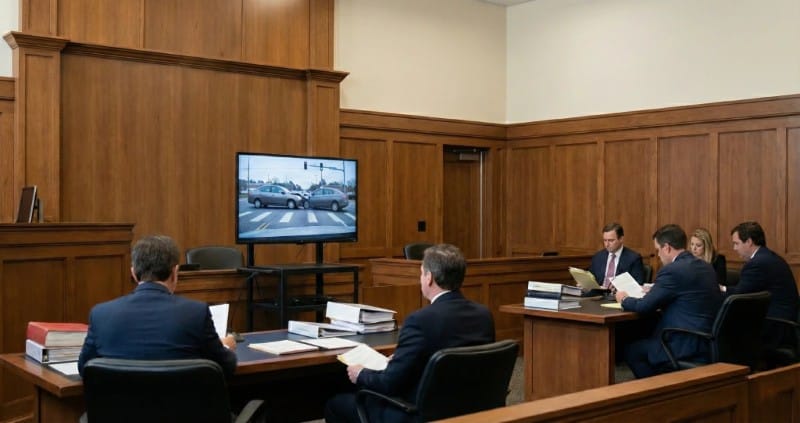
Dash camera footage helps with insurance and legal processes because it gives adjusters and investigators a clear record of what took place instead of forcing them to interpret only written statements and still photos.
From an insurance perspective, a well-documented video can clarify how a multi-vehicle crash unfolded, support your account when another driver changes their story, and help demonstrate that you were driving responsibly before the incident.
Law enforcement and legal professionals may also review dash camera footage as part of their investigation, especially in serious collisions. In many cases, having video does not just protect you from blame. It can also shorten the time it takes to resolve a claim, which means less back and forth and, in some situations, less impact on your long-term premiums.
Real-World Situations Where a Dash Cam Acts as Your Best Witness
In everyday use, a dash camera becomes your best witness because it is always recording, even during situations that seem routine until something goes wrong. Typical examples include:
- A commuter accused of following too closely after another driver suddenly changes lanes and brakes
- A teen driver blamed for speeding through a neighborhood when another car actually runs a stop sign
- A delivery driver sideswiped in traffic by a vehicle that later denies making contact
- A parked vehicle struck overnight while the responsible driver leaves without a note
In each scenario, the driver with verifiable video is in a much stronger position than someone left trying to piece together events from memory. BestCarAudio.com’s article “Safer Driving With Dash Camera Systems” provides additional examples of how these systems have helped real vehicle owners.
Why Professional Dash Cam Installation Matters
Professional dash cam installation matters because correct mounting, power connections, and configuration are essential if you want your camera to capture usable evidence when you need it most.
A specialist retailer will mount the camera in a position that provides a clear view without blocking your vision or violating local regulations. They will route wiring cleanly through the vehicle so it does not interfere with airbags, sensors, or safety systems. Power will be connected in a way that supports both driving and parking modes while protecting the vehicle battery. They will also configure recording options, date and time, and storage settings so the camera works the way you expect.
When you work with an experienced shop, you also gain access to ongoing support. They can recommend suitable memory cards, apply firmware updates when they become available, and help you retrieve footage if you ever need to supply it to an insurer or law enforcement agency.
Putting Your Dash Camera to Work for You
A dash camera cannot prevent another driver from making a mistake, but it can be your best witness when something goes wrong by providing clear, objective evidence of what happened. The right system, installed and configured by a professional, can help establish fault in a collision, protect you from fraud and false claims, capture hit-and-run and parking incidents, and support insurance and legal processes with reliable video and data.
To learn more about professional dash camera options, system features, and proper installation, visit a qualified retailer near you. Drop by a local reputable mobile enhancement retailer near you to explore upgrade options for your car or truck. You can find some great shops using our Dealer Locator.

