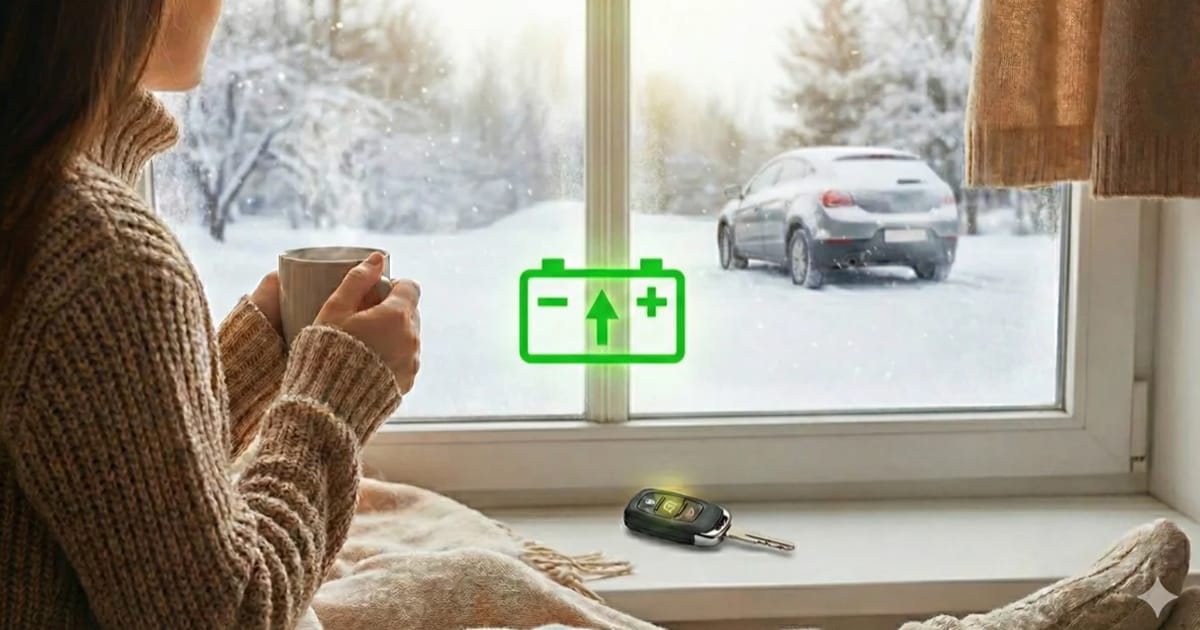
A properly integrated remote starter can support battery health by reducing cold start stress, managing electrical load and giving the alternator enough time to replenish the energy used during ignition. Many drivers think of remote start only as a comfort feature, but it can play a meaningful role in maintaining long-term electrical performance.
The Electrical Demands on Today’s Batteries
Modern vehicles rely heavily on electronic systems that draw significant current from the battery. Cold weather, short trips and frequent accessory use all increase the strain. When the engine does not run long enough after startup, the alternator may not fully replace the power consumed during ignition. Over time, this cycle can weaken the battery and reduce reliability.
Why Cold Starts Are Especially Hard on Batteries
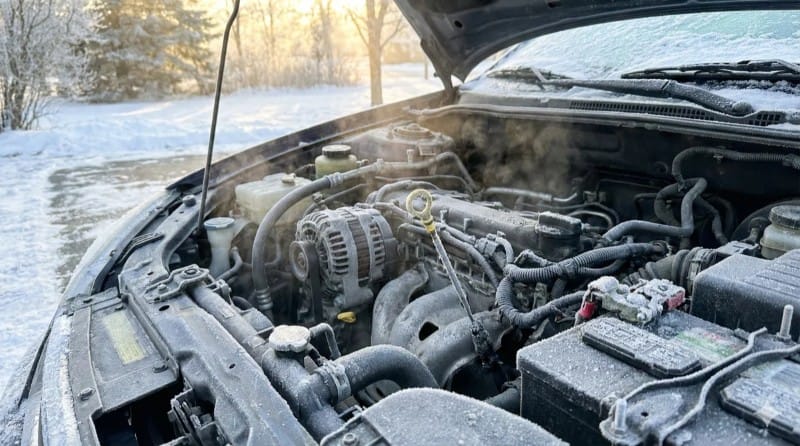
Cold temperatures reduce a battery’s ability to deliver current. At the same time, engine oil thickens and creates more resistance during cranking. The combination means the battery must work harder to turn the engine over and recover afterward. If you stack this on top of limited driving time and heavy accessory loads, it becomes clear why winter is the peak season for dead batteries.
How Remote Start Warm-Up Cycles Help
A remote starter lets the engine run long enough for the alternator to reach a stable output and begin replenishing the charge used during startup. That warm-up period eases long-term strain because the vehicle has time to recover before you even get behind the wheel. It also prevents back-to-back starts, which can be especially taxing on the battery in cold weather.
Reducing the Immediate Accessory Load
Systems such as heated seats, defrosters and climate control fans draw considerable current. When these features activate before the alternator is fully contributing, the battery must shoulder the load. Starting the vehicle remotely allows the engine to be running before these accessories engage. The alternator can then handle the demand more effectively and prevent unnecessary voltage dips.
How Remote Starters Work With the Charging System
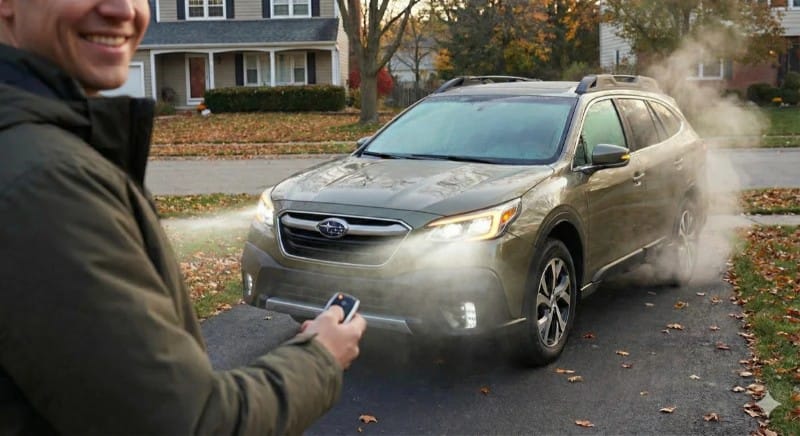
Quality remote starters are designed to follow the same operating logic as the factory ignition system. They allow the alternator to engage normally, monitor safety inputs and respect the charging system’s built-in controls. Professional installers ensure that the system communicates correctly with the vehicle’s computers and that no accessory circuits are activated unexpectedly.
The Importance of Professional Installation
Electrical health depends on clean wiring, proper connections and correct interaction with the vehicle’s security and data systems. A poorly installed remote starter can introduce voltage drops or parasitic drain that harms the battery. Professional installers use secure connections, proper data modules and testing procedures to verify that the system performs safely and efficiently.
When Your Battery or Charging System Needs Attention
A remote starter supports battery longevity, but it cannot compensate for a failing battery or alternator. Slow cranking, repeated jump starts or dim headlights while idling indicate underlying issues that need diagnosis. Addressing these problems early prevents further electrical stress and protects the performance of your remote start system.
Final Thoughts

A remote starter can be a meaningful investment in both comfort and long-term electrical reliability. By reducing cold start strain, managing accessory loads and giving the alternator time to recover after startup, it helps keep your battery in better condition throughout the year. Visit a qualified retailer near you to learn more about professional remote start installation and how the right system can support your vehicle’s long-term performance.

