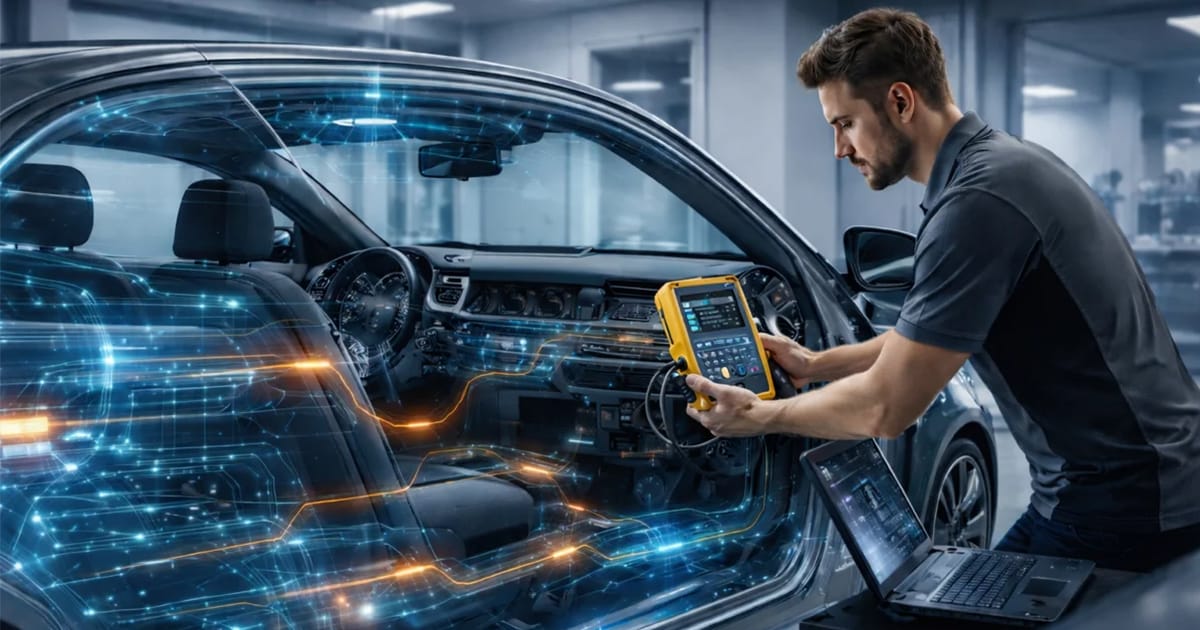
Today’s vehicles are no longer collections of independent mechanical and electrical parts. They are integrated computing platforms on wheels, where nearly every system communicates digitally. This shift has fundamentally changed what it takes to upgrade audio, safety, lighting and convenience features safely and effectively. As vehicles become more complex, professional installation has moved from being a preference to a necessity.
Today’s Vehicles Depend on Integrated Electronic Networks
Modern vehicles use interconnected data networks that allow dozens of control modules to communicate constantly. These networks manage audio, infotainment, climate control, driver assistance systems, safety features and even charging behavior for the battery.
In older vehicles, many accessories relied on simple switched power and direct speaker connections. That approach no longer applies. A change made in one part of a modern vehicle can influence systems far beyond the intended upgrade. Professional installers understand how these networks operate and how to integrate new equipment without disrupting vehicle communication.
Key realities of modern vehicle networks include:
- Multiple control modules sharing data simultaneously
- Real-time monitoring of electrical behavior
- Built-in fault detection and diagnostic reporting
Without an understanding of these systems, even minor upgrades can create unintended consequences that do not appear immediately.
Factory Systems Are Software-Driven, Not Just Hardware-Based
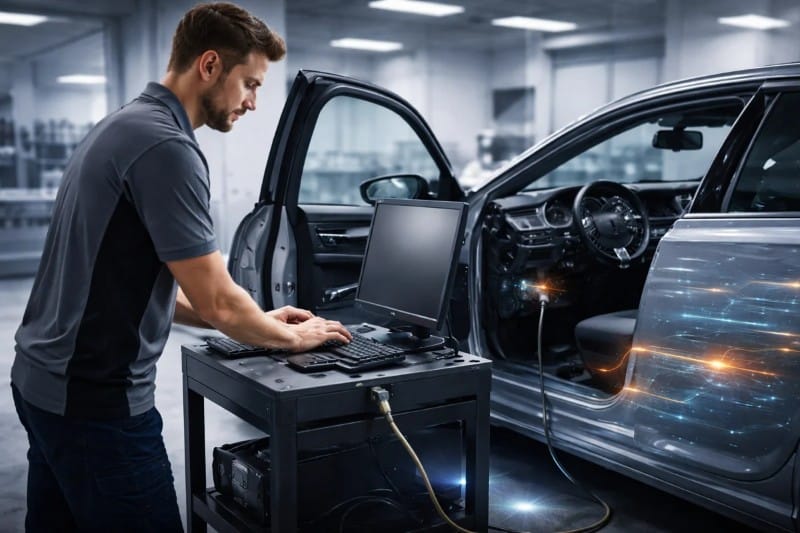
Many factory vehicle functions are controlled by software logic rather than simple electrical signals. Volume limits, safety chimes, navigation prompts and driver alerts are often generated digitally and managed through vehicle profiles.
Factory audio systems commonly use digital signal processing that adjusts frequency response, timing and output levels based on vehicle speed, cabin acoustics and listening position. Integrating aftermarket equipment into these systems requires more than tapping into a wire. It requires understanding how factory processing works and how to interface with it correctly.
Professional installers evaluate how factory software behaves before recommending equipment or integration methods. This prevents issues such as:
- Missing alerts or warning tones
- Volume inconsistencies or distortion
- Delayed or muted system responses
When integration is handled correctly, factory features continue to function seamlessly while performance improves.
Why Experience Matters More Than the Product Itself
Even the highest-performing products depend on proper integration to function correctly in modern vehicles. Installation experience often has a greater impact on results than brand or price point.
Professional installers approach each vehicle as a complete system. They evaluate signal paths, factory processing, electrical capacity and mounting locations before making recommendations. This planning stage is critical in modern vehicles, where generic solutions rarely deliver consistent results.
Experienced professionals understand:
- How different vehicles handle audio and data signals
- Where clean, reliable integration points exist
- How to avoid introducing noise or instability
This expertise ensures that upgrades enhance the driving experience instead of creating compromises.
Avoiding Vehicle Errors, Warning Lights and System Conflicts
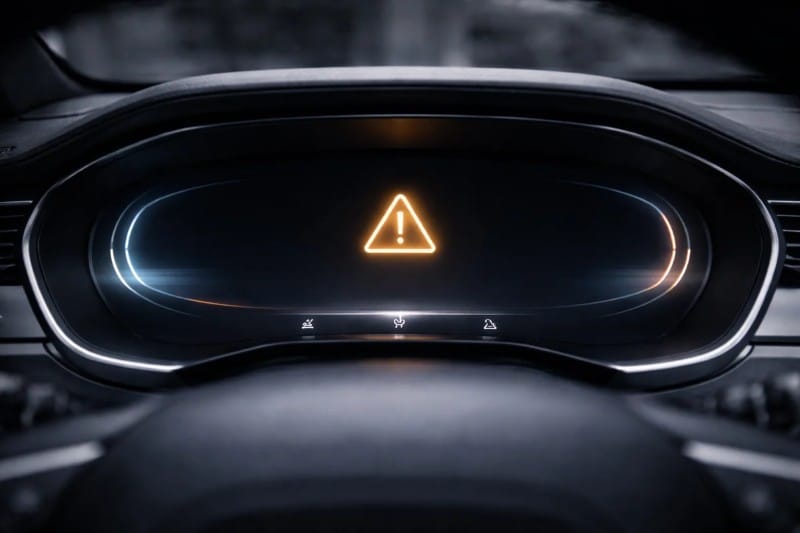
Improper integration can trigger warning messages, fault codes or disabled vehicle features. Modern vehicles actively monitor electrical loads, communication timing and module behavior. When something does not behave as expected, the vehicle responds.
Common symptoms of poor integration include:
- Dashboard warning lights or alerts
- Intermittent system shutdowns
- Reduced battery life or charging issues
Professional installers know how to interface with vehicle systems in ways that respect factory monitoring. They verify system behavior before and after installation to confirm that the vehicle operates exactly as intended.
This level of care reduces the risk of chasing intermittent issues months or years later, when the original cause is harder to identify.
Planning for Future Updates, Service and Ownership
Professional installation considers long-term ownership, not just day-one performance. Vehicles today receive software updates during dealer service visits. They may also require module replacements, recalibrations or diagnostics over time.
Experienced installers design systems that remain compatible with future updates and service procedures. Wiring is routed cleanly, modules are mounted accessibly, and integration points are documented. This makes future service easier and reduces the chance of conflicts during routine maintenance.
Long-term planning includes:
- Compatibility with dealer software updates
- Clean installation that supports future upgrades
- Clear documentation for service technicians
This approach protects both the vehicle and the owner’s investment.
Why Professional Installation Is the Safest Path for New Vehicles

Professional installation reduces risk while preserving vehicle performance, safety and reliability. Modern vehicles demand a deep understanding of electronics, software behavior and system interaction. Guesswork has no place in vehicles that rely on digital communication for critical functions.
Professional installers combine training, experience and vehicle-specific knowledge to deliver solutions that work seamlessly. They design systems that respect factory engineering while improving functionality, sound quality and convenience.
The result is an upgrade that feels like it belongs in the vehicle, not an add-on that creates frustration.
To learn more about upgrading a new vehicle safely and effectively, visit a qualified retailer near you to discuss your goals and explore integration options designed specifically for your vehicle.

