
Upgrading your vehicle with aftermarket electronics and accessories can improve comfort, convenience, and performance. From advanced audio systems to safety cameras and connectivity upgrades, modern enhancements offer real value. However, when these systems are installed incorrectly, they can introduce long-term problems that far outweigh any short-term savings.
Many of the most expensive automotive electrical issues begin with poor installation practices. Choosing a shop that employs certified salespeople, installation technicians, and specialists is one of the most effective ways to prevent these problems before they start.
Common Installation Errors That Lead to Major Problems
Improper aftermarket installations frequently look acceptable on the surface. Panels fit, systems power on, and everything appears to work. Unfortunately, hidden mistakes can remain unnoticed for months before causing failures.
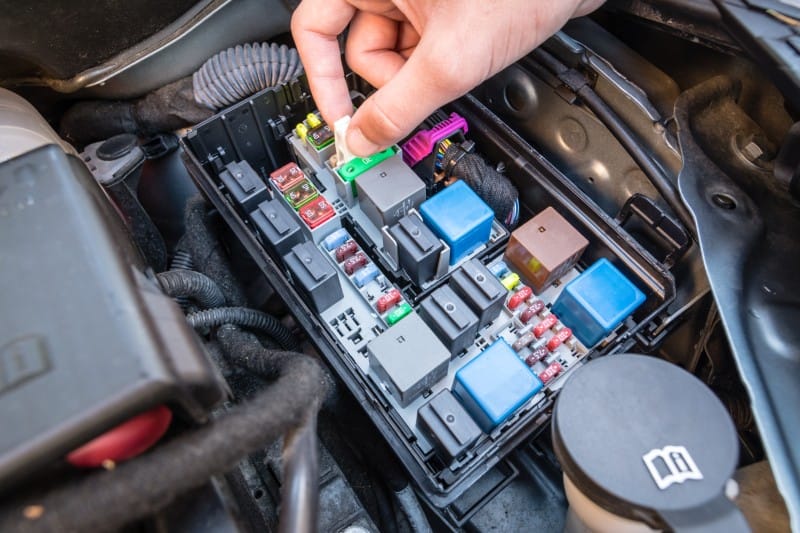 One common problem is improper grounding. When components are grounded to painted surfaces, thin metal, or unstable mounting points, resistance increases. This leads to voltage drops, audio system noise, overheating, and premature equipment failure.
Another common mistake is overburdened circuits. Adding multiple accessories to factory wiring without calculating the electrical load can strain vehicle systems. Over time, this stress damages wiring, connectors, and control modules.
Unprotected wiring is also a major concern. Wires routed through sharp metal edges, moving parts, or hot engine compartments without proper protection eventually wear through. This can result in shorts, intermittent failures, or even fire hazards.
Bypassed or disabled safety systems represent one of the most serious risks. Incorrect integration with airbags, advanced driver assistance systems (ADAS), and factory sensors can compromise vehicle safety. These problems are often invisible until an emergency occurs.
Why Electrical Problems Often Appear Months Later
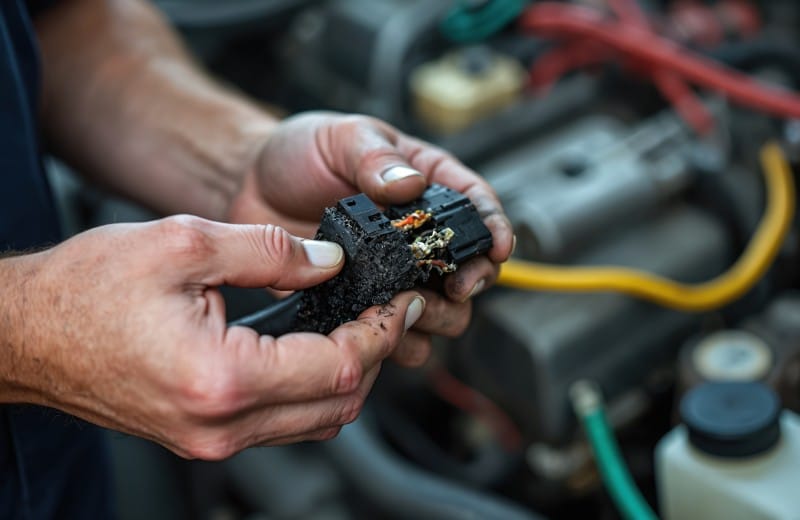 Unlike mechanical failures, electrical problems often develop slowly. Heat cycles, vibration, moisture, and normal vehicle movement gradually weaken poor connections and damaged insulation.
A loose ground may work for months before corrosion increases resistance. A poorly protected wire may take thousands of miles to wear through. An overloaded circuit may survive until a hot summer day pushes it beyond its limits.
When failures finally appear, the original installation work is rarely suspected. Vehicle owners commonly experience confusing symptoms such as intermittent shutdowns, warning lights, drained batteries, or random system malfunctions. Diagnosing these issues becomes time-consuming and expensive.
The Hidden Cost of Cheap or Unqualified Installation
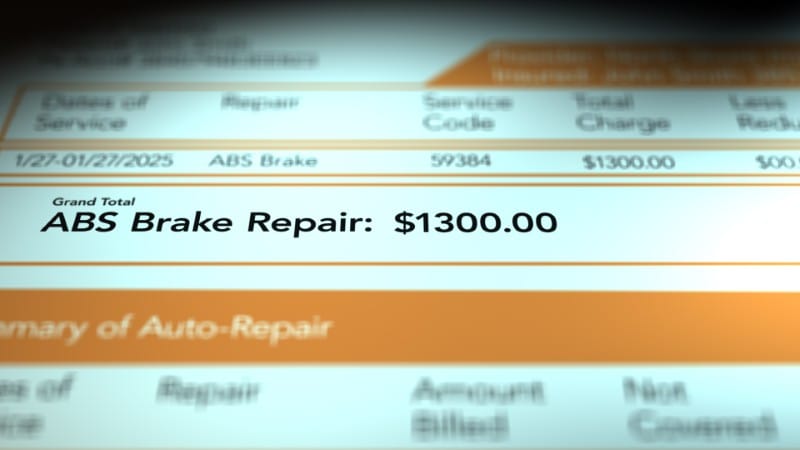 Low-cost installation may seem attractive at first, but repairs almost always cost more than proper installation. Tracking down electrical faults requires specialized tools, experience, and many hours of labor.
In some cases, damaged wiring harnesses must be replaced entirely. Control modules affected by voltage spikes can cost hundreds or thousands of dollars. Interior panels may need to be removed and reinstalled multiple times during diagnosis.
These hidden costs add up quickly. What initially saved a small amount of money can turn into a major financial setback. More importantly, unreliable electronics undermine your vehicle’s confidence and may affect its resale value.
How Certified Professionals Prevent These Problems
Shops that employ certified personnel follow organized procedures and technical standards designed for modern vehicles. Programs such as the Mobile Electronics Certified Professional (MECP) certification ensure that technicians and specialists receive formal training and ongoing education.
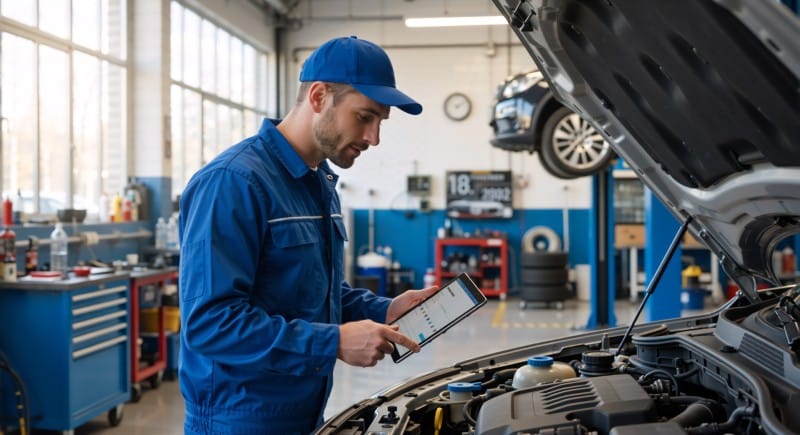 Certified staff understand how to calculate electrical loads and determine whether factory systems can support new accessories. They know when additional power distribution, relays, or upgraded wiring is required.
They apply proper installation protection, including abrasion-resistant loom, grommets, heat shielding, and secure mounting methods. Every connection is made using appropriate terminals, crimps, and insulation techniques.
Most importantly, certified professionals follow safety procedures when working around airbags, sensors, and advanced driver assistance systems (ADAS). They integrate new equipment without interfering with factory protections.
Early Problem Detection Through Professional Diagnostics
 Experienced and trained technicians do more than install equipment. They evaluate the entire vehicle system before, during, and after installation. Voltage testing, resistance measurements, and system scans help identify weaknesses early.
If a factory ground point is marginal, they correct it. If battery capacity is insufficient, they recommend upgrades. If a vehicle shows early signs of electrical stress, it is addressed before damage occurs.
This active approach prevents small concerns from becoming major failures. It also ensures that your upgrades function reliably in real-world driving conditions.
Prevention Is Always Better Than Repair
Repairing electrical problems is rarely simple. It frequently involves disassembling large portions of the vehicle and tracing wiring through tight spaces. Prevention, on the other hand, happens during installation and costs far less.
By choosing a shop with certified salespeople and installation technicians, you invest in lasting reliability. You reduce the risk of breakdowns, unanticipated repairs, and safety compromises. Your systems perform as intended, and your vehicle retains its integrity.
Choosing Confidence Over Compromise
 Aftermarket upgrades should improve your driving experience, not create future headaches. The safest and most economical approach is to prioritize prevention over repair from the beginning.
Selecting a professional shop with certified staff makes certain that loads are calculated correctly, wiring is protected, and safety systems remain intact. Their training and diagnostic skills help avoid mistakes that lead to hidden costs months later.
When you choose certified professionals, you are choosing dependability, safety, and peace of mind. That decision protects both your investment and your vehicle for years to come.

