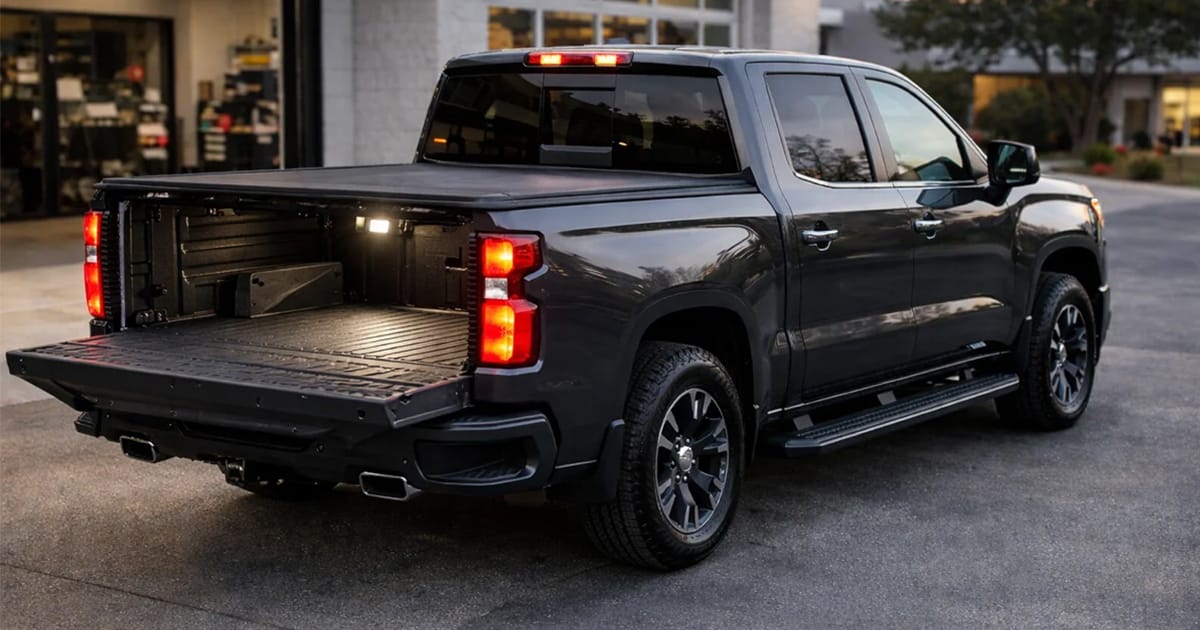
Truck accessories are often worth the investment on a new truck, but their value depends far more on timing and planning than on the accessories themselves. Because dealerships commonly offer add-ons during the purchase process, it is easy to spend money before you fully understand how you will use the truck. Many owners get better results by waiting until after delivery and working with a qualified specialty retailer.
Modern trucks are expensive, complex and packed with technology. Early decisions can affect comfort, usability and long-term satisfaction. The accessories are not the issue. Choosing them before you have real-world experience with the truck often is.
Why This Question Comes Up for Nearly Every New Truck Buyer
Because accessories are usually presented during the sales process, this question comes up for nearly every buyer before they have any real-world experience with the truck, which makes the decision harder than it needs to be. Bed covers, steps, lighting and protection packages are often framed as convenient upgrades that can be bundled into financing, so the choice happens quickly and sometimes without much discussion.
That timing matters because many owners have not yet learned how the truck fits into their day-to-day life. After a few weeks of ownership, it often becomes clear that assumptions made on the showroom floor did not match reality.
Many owners later realize they had not yet learned:
- How frequently they would use the bed
- Whether entry and exit would be an issue for passengers
- How factory technology performed day to day
- Which features mattered most over time
Dealer-Installed Accessories vs Aftermarket Solutions
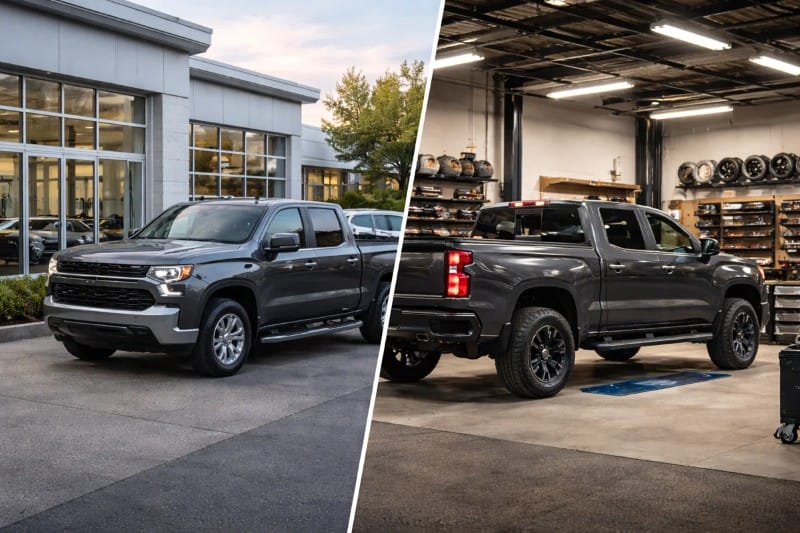
Dealer-installed accessories tend to prioritize speed and convenience, while aftermarket solutions tend to deliver better fit, performance and long-term usability, which is why many truck owners revisit their accessory choices after the initial purchase. Dealership accessories are usually selected from a short list designed to work for a wide range of buyers and vehicles, allowing them to be added quickly but limiting how precisely they match individual needs.
In practice, the most common drawbacks are not about intent. They are about constraints.
Common limitations include:
- Restricted brand and product selection
- Generic designs intended to fit many trucks
- Minimal planning for future upgrades
- Limited consideration for electronic integration
Aftermarket options offered by specialty retailers are typically selected with more attention to how the truck is used and how upgrades will work together over time.
How Professional Retailers Deliver Better Results After Purchase

Professional retailers usually deliver better results because they start with how you actually use the truck and then recommend accessories that fit those needs, rather than beginning with a preset package. That difference in approach can show up in everything from fit and finish to long-term durability and how well the upgrades work with the truck’s electronics.
Instead of pushing a standard bundle, an experienced retailer will typically discuss how you drive, what you haul, whether you tow, how often passengers ride along and what you want to protect.
Working with a qualified retailer often results in:
- Accessories matched to real-world use
- Better fit and finish
- Fewer rattles and noise issues
- Cleaner coordination with factory electronics
This planning also helps avoid upgrades that look good on paper but create compromises in daily use.
Why Technology Changes the Accessory Conversation
Because modern trucks rely on advanced electronics, accessory decisions now require more planning than they did in the past, especially when upgrades interact with lighting, cameras, sensors and driver assistance features. Many owners assume an accessory is purely mechanical, then discover later that it affects electronic systems in ways they did not anticipate.
Today’s trucks may use networked vehicle communication systems to control and monitor key functions, and accessories that do not account for those systems can introduce unexpected issues.
Poorly planned upgrades can lead to:
- Warning lights or diagnostic errors
- Camera or sensor interference
- Electrical noise or power issues
- Reduced long-term reliability
Professional installers understand how these systems behave and can recommend solutions that preserve factory functionality while adding capability.
When Factory Accessories Make Sense
Factory accessories can be the right choice when integration and convenience matter more than customization, but they are rarely the best overall solution for every owner because they are designed for broad appeal rather than specific usage patterns. For some buyers, a factory option is “good enough” and that may be perfectly acceptable, especially if it does not interfere with electronics or require specialized fitment.
The trade-off is that factory choices often come with fewer options, fewer performance tiers and less flexibility if your needs change.
Many truck owners end up happiest with a blended approach, using select factory features where they make sense and choosing aftermarket upgrades when they want better fit, stronger performance or more tailored functionality.
The Long-Term Cost of Rushed Decisions

Accessories chosen too early often cost more over the life of the truck because correcting a rushed decision can mean replacing parts, redoing work or living with compromises that reduce satisfaction. The most common regret is not that an accessory was purchased. It is that it was purchased before the owner understood what would matter most.
As real-world needs become clear, early choices can become obstacles instead of improvements.
Common long-term consequences include:
- Replacing accessories that do not fit real-world use
- Compatibility issues with later upgrades
- Premature wear, leaks or rattles
- Reduced resale appeal
Taking time to make informed decisions usually leads to fewer compromises and better long-term value.
A Smarter Way to Approach Accessories on a New Truck
The smartest approach is to drive the truck for a short period, learn what you truly need and then plan upgrades around real experience instead of guesswork. Even a brief ownership window can clarify priorities, such as bed access, passenger convenience, lighting needs or cargo security.
Once those priorities are clear, a qualified retailer can help build a phased plan that aligns with how you use the truck and how you want it to perform long term. This approach usually leads to cleaner integration, smarter spending and accessories that feel like they belong on the vehicle.
Final Thoughts on Truck Accessories and New Vehicles
Truck accessories are worth it when they are chosen intentionally and installed by experienced professionals, because the right upgrades improve comfort, protection and functionality without compromising technology or reliability. The key is resisting rushed decisions at the point of sale and taking a more thoughtful approach after you have experience with the truck.
Before adding accessories to your new truck, visit a qualified mobile enhancement retailer near you to explore upgrade options that match how you actually use your vehicle. You can find reputable shops using our Dealer Locator.

