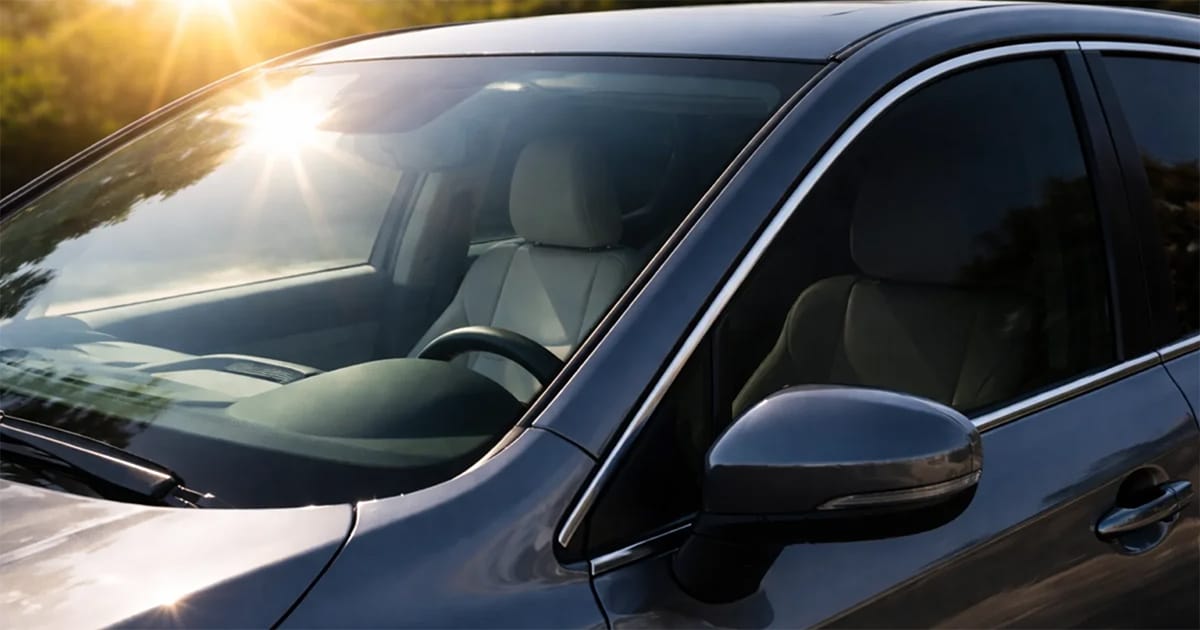
Window tint improves interior comfort and UV protection by controlling heat and harmful radiation before they enter your vehicle. While many drivers think tint is mainly about darker glass, the real benefits come from the quality of the film and how it manages energy from the sun.
Modern automotive window tint is a functional upgrade that affects how your vehicle feels, how well it ages, and how comfortable it is to drive year-round. Understanding what quality tint actually does helps explain why film performance matters more than how dark it looks.
How Window Tint Reduces Heat Inside Your Vehicle
Window tint reduces interior heat by rejecting infrared energy, which is responsible for most solar heat buildup. Instead of allowing that energy to pass through the glass and warm interior surfaces, high-quality films reflect or absorb it at the window.
This heat rejection keeps seats, dashboards, and steering wheels cooler, especially after parking in direct sunlight. It also helps the air conditioning system work more efficiently since it does not have to overcome as much heat soaking into the cabin. The result is a vehicle that cools down faster and stays more comfortable during long drives.
Not all tint performs the same way. Basic dyed films darken glass but offer limited heat control. Advanced films are engineered specifically to manage infrared energy, which is why two vehicles with similar-looking tint can feel very different inside.
The Difference Between UV Protection and Darkness
UV protection comes from the film’s construction, not its shade. A nearly clear window film can block more than 99 percent of ultraviolet radiation, while a darker but lower-quality tint may offer less protection.
Ultraviolet rays are responsible for skin damage and long-term fading of interior materials. Because UV energy is invisible, relying on darkness alone is misleading. High-performance films are designed to target specific wavelengths, allowing visible light through while stopping UV radiation.
This is especially important for drivers who want protection without sacrificing visibility. Light tint options can deliver strong UV defense while maintaining a factory-like appearance.
Why Tint Quality Matters More Than Shade
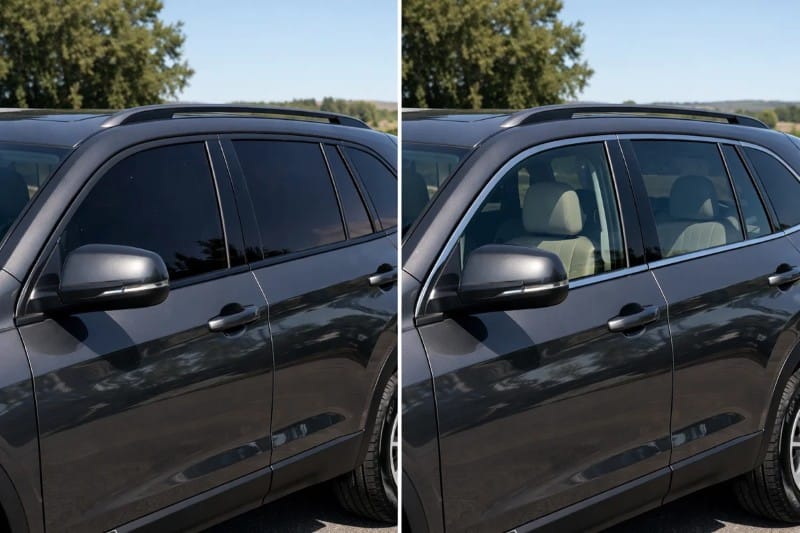
Tint quality determines how well the film performs over time. Premium films use stable materials and advanced coatings to maintain consistent heat rejection and color for years.
Lower-quality films often fade, turn purple, or lose effectiveness as they age. Adhesives can also degrade, leading to bubbling or peeling that affects both appearance and visibility. Choosing a high-quality film helps ensure the tint continues to perform as intended long after installation.
Key differences between low-quality and premium window tint include:
- Heat rejection capability, especially infrared control
- Long-term color stability and clarity
- Resistance to bubbling, peeling, or hazing
These factors have a much bigger impact on comfort and durability than how dark the glass appears on day one.
How Window Tint Protects Interior Materials
Window tint protects interior surfaces by limiting exposure to heat and UV radiation. Dashboards, leather seats, door panels, and trim pieces all degrade faster when exposed to sunlight.
By reducing solar energy entering the vehicle, tint helps slow cracking, fading, and drying of materials. This preservation effect is particularly valuable for vehicles with large glass areas or light-colored interiors, which tend to show wear more quickly.
Over time, this protection helps maintain resale value and keeps the cabin looking newer.
Why Professional Installation Affects Long-Term Results
Professional installation directly affects how window tint looks and performs over time. Proper surface preparation, precise film placement, and correct curing all play a role in durability.
Poor installation can lead to contamination under the film, uneven edges, or premature failure. Even the best window film cannot compensate for improper handling. A professional installer understands vehicle-specific glass shapes and ensures the tint complies with visibility and legal requirements.
Legal Considerations and Visibility
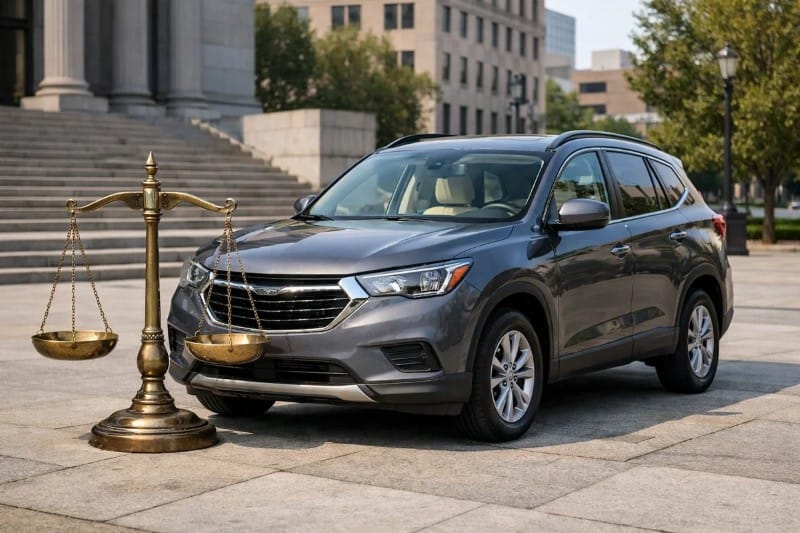
Modern window tint can improve comfort and protection while remaining compliant with local regulations. High-quality films allow installers to choose the right balance of visible light transmission and performance so drivers maintain clear outward visibility, day and night.
A Smart Upgrade with Lasting Benefits
Window tint is more than a cosmetic upgrade. When the right film is professionally installed, it delivers measurable improvements in comfort, protects occupants and interior materials, and enhances the overall driving experience without compromising safety.
If you are considering window tint for your vehicle, work with a qualified specialty retailer who can recommend the right film for your needs and ensure a professional result. Visit the Dealer Locator on BestCarAudio.com to find an experienced retailer who can help you get the most from your vehicle with expert installation and system tuning.

