
When a vehicle is upgraded or repaired, the quality of the work depends heavily on who performs it. Certified professionals bring formal training, verified skills, and adherence to industry standards that directly translate into faster completion, greater accuracy, and longer-lasting reliability. For consumers, choosing a certified technician is not just a credential preference – it is a practical decision that protects both time and investment.
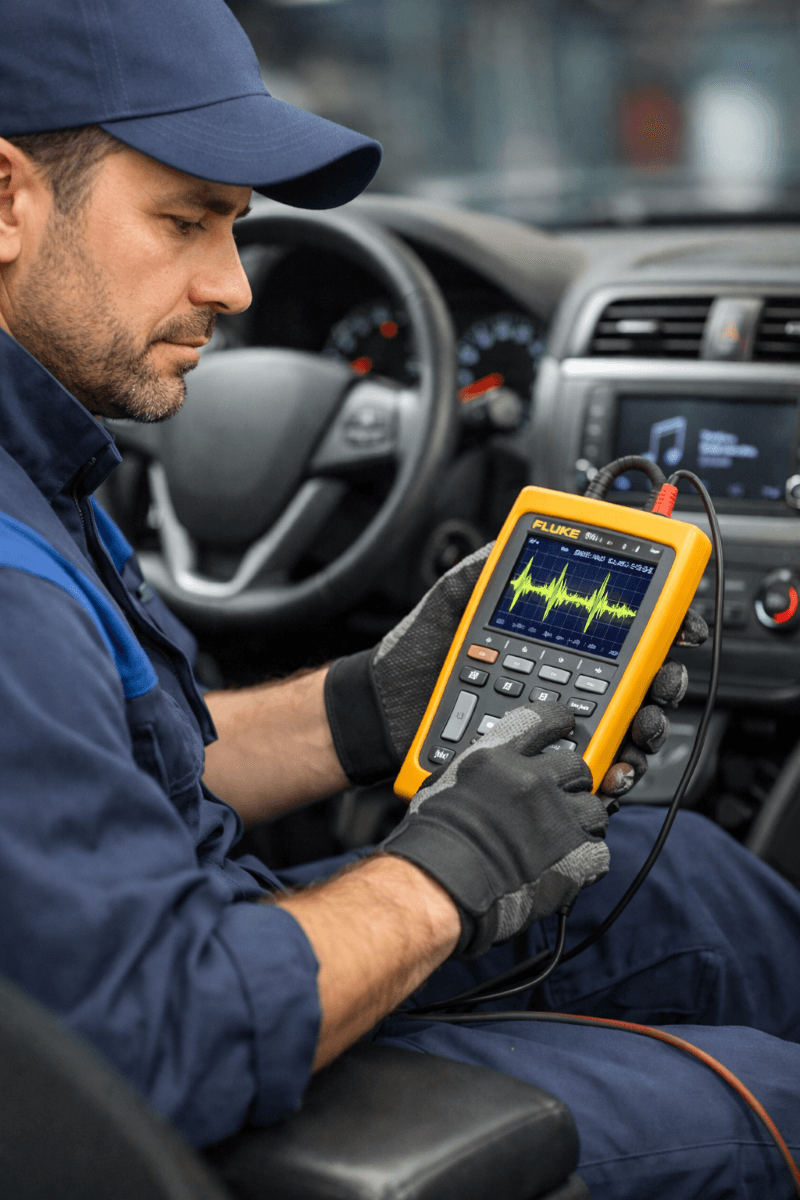 Certified professionals are trained to work efficiently without sacrificing precision. Their education focuses on proven processes, correct tool usage, and systematic diagnostics. Rather than relying on trial-and-error, they follow established procedures to identify issues quickly and implement the correct solution the first time. This efficiency reduces vehicle downtime, minimizes repeat visits, and ensures upgrades or repairs are completed on schedule.
Accuracy is another key advantage. Modern vehicles integrate complex electrical, electronic, and safety systems that require a deep understanding of how components interact. Certified technicians are tested on these systems and must demonstrate competency before earning their credentials. This reduces the risk of misdiagnosis, improper installation, or overlooked details that can lead to performance issues or system failures. Accurate work not only improves immediate results but also prevents secondary problems caused by incorrect service.
Long-term reliability is where certification delivers the most value. Certified professionals install and repair components in accordance with manufacturer specifications and industry best practices. This includes proper wiring, secure mounting, accurate calibration, and thorough testing before returning the vehicle. Because work done to these standards is far less likely to fail prematurely, develop intermittent issues, or compromise other vehicle systems, the value of certification becomes even clearer.
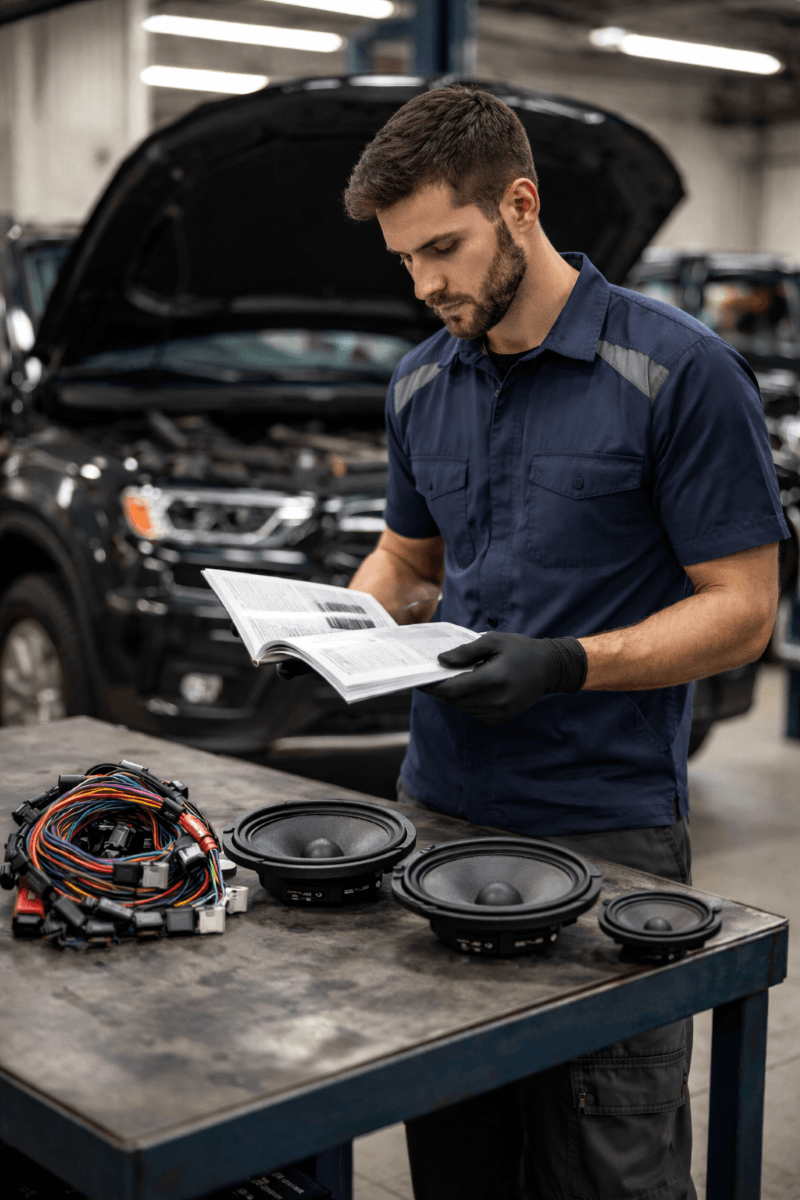 Certification emphasizes ongoing education. As vehicles and aftermarket technologies evolve, certified professionals must stay current with new products, standards, and service techniques. This ensures repairs and upgrades remain compatible with future needs.
Finally, certified professionals operate within accountable systems, where their credentials can be verified, their work is often documented, and their reputation depends on maintaining compliance with certification requirements. This level of accountability encourages consistency, professionalism, and attention to detail, benefiting every customer.
In short, certified professionals upgrade and repair vehicles faster by using efficient processes, deliver greater accuracy through informed, tested work, and ensure greater reliability by following established standards. Certification is not just a title; it offers a measurable advantage that delivers better outcomes for both the vehicle and its owner.

